Otaake Neurosurgery and Chinese Medicine Clinic (Tottori City, Tottori Prefecture)
Client:Otake neurology / Kampo internal medicine clinic
Closer to patients
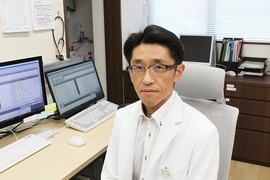
Director Dr. Minoru Otake
The mouth of the Chidagawa River flowing through Tottori City is home to the vast Tottori Sand Dunes. We spoke with Dr. Masataka Ohata, who opened the Ohatakeyo Brain Neuro-Herbal Medicine Clinic in 2017, about this river.
Although I am from Yamaguchi Prefecture, I opened my practice here because my university was in Tottori Prefecture. I wanted to be closer to my patients and provide follow-up care for neurological diseases, as well as prevent the recurrence of strokes and early diagnosis and prevention of onset. That is why I decided to open my practice.
He spoke to me with a gentle smile that made me feel at ease.
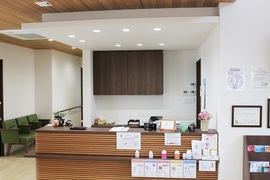
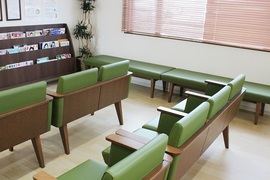
A reception filled with sunlight and softnessWaiting room
How Kampo was brought into treatment
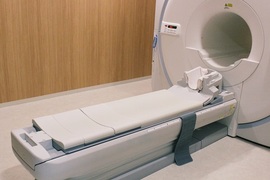
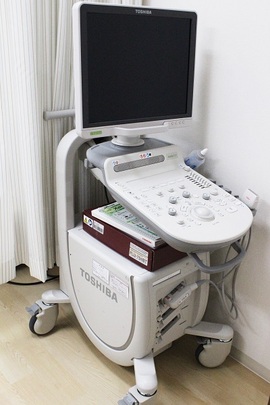
A rare 1.5-tesla high-performance MRI in clinicsUltrasound diagnostic imaging system
"When I worked in Hamada, Shimonoseki, I worked as a neurosurgeon, but there were few doctors in the area, so I treated many patients with stroke in the elderly. Western medicine often doesn't work well, and that's why I thought I should try using Chinese medicine. It's hard to prescribe Chinese medicine because you have to listen to the patient's detailed symptoms, but when the symptoms match the medicine, the overall condition improves. I feel like I'm actually healing myself, and it's also rewarding." There are also patients who prescribe Chinese medicine alone and others who prescribe it in combination with Western medicine.
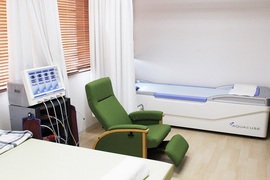
3D water massage bed Aqua Cube
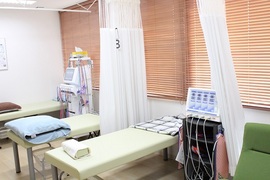
Since opening our clinic, we have seen many patients complain of headaches. In addition to using physical therapy equipment, we also treat patients with tension type headaches and neck shoulder pain syndrome, where the hands become numb. In cases where Western medicine alone has been ineffective, using Chinese herbal medicine and physical therapy together often improves the patient’s symptoms.
The symptoms of the patients are thoroughly understood, and they are being treated individually with appropriate treatment.
Using physical therapy devices
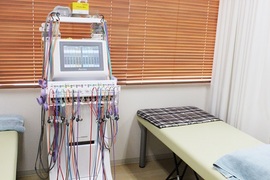
SSP combination therapy device "Asteo"
We asked the director of the clinic, who said that they are effectively using a combination of traditional Chinese medicine, Western medicine, and physical therapy in their treatments, about our physical therapy equipment.
"Astheo is primarily used to treat shoulder and back pain by stimulating trigger points. I've heard that it's a therapeutic device derived from Oriental medicine. I plan to continue using techniques such as remote point stimulation using stimulation of meridian points and autonomic nerve stimulation using weak current. Astheo has the highest patient satisfaction rating, and I feel that it is very close to the concept of traditional Chinese medicine."
Mr. Ohtake was also interested in the “percutaneous therapy” using the SSP therapy, so as a manufacturer, he felt that he needed to convey information about various treatment methods.
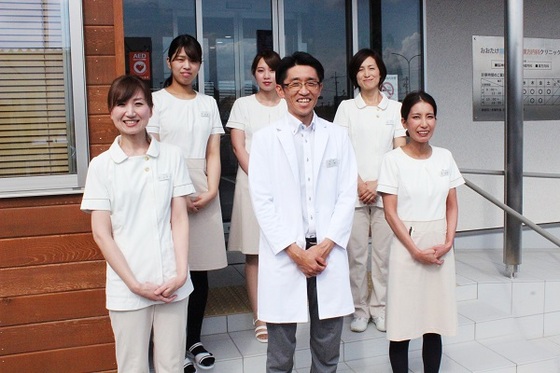
Staff who support the clinic
Staff who support the clinic
The doctor said to the staff, "The work they do is very meticulous; I don't have to say anything at all." Thanks to that, I felt that the doctor could confidently provide medical care without worrying about anything.
"I would like to be informed about how to use the treatment device effectively; that would lead to better results for the patient," he said, adding that this is the first thing he would like to ask the manufacturer.
As Japan Medics, we will continue to disseminate information using websites, seminars, exhibitions, and literature.
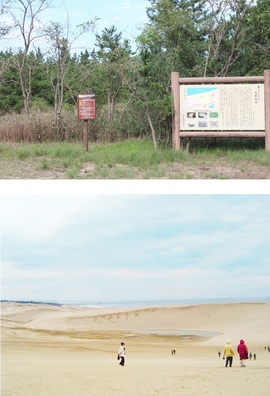
The sand forest at the entrance of Tottori Sand Dunes (photo above) Tottori Sand Dunes (photo below)
The name "Tottori" comes from an ancient local name, "Omi-gun Tottori-go" (in the "Wamoncho") that has been passed down through the Middle Ages, the early modern period, and the modern era. It is believed that the Tottori district was a plain area at the foot of the Kutsukatsu mountain range; however, the presence of an ancient tribal group called "Tottori-no-bushi" in this area is said to be the origin of the name of this district.
Tottori Sand Dunes is a large sand dune that stretches 16 kilometers east and west and 2 kilometers north and south. It’s like stepping out of an asphalt road; the sand is so dense that your body sinks into the ground. The “sand dunes” formed over the course of a million years by the Chidagawa River and the sand carried by the winds from the Chinese mountains are so magnificent that you can’t even find the words to describe them. They attract 1.3 million people every year.